





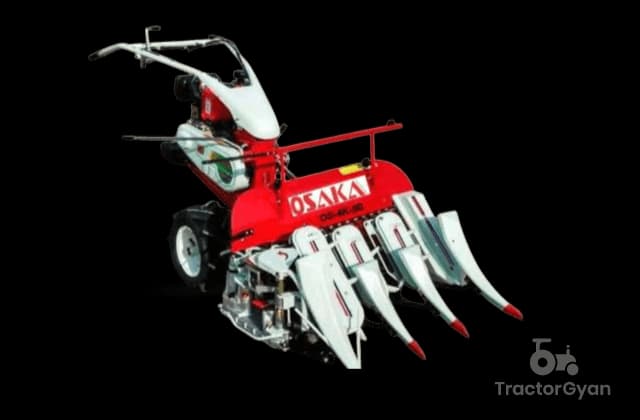
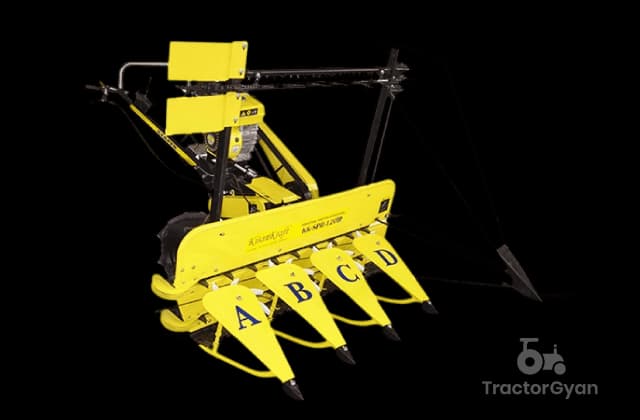
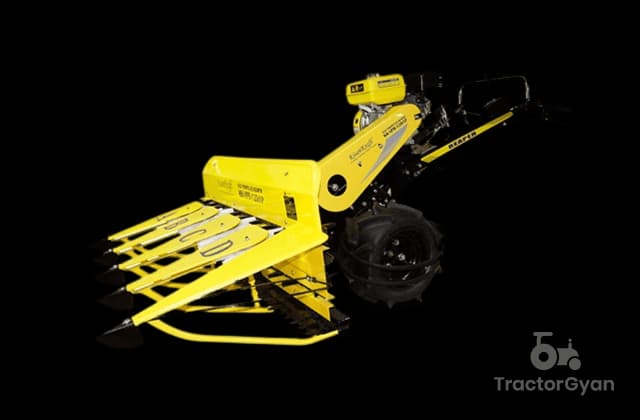
Reaper Implements

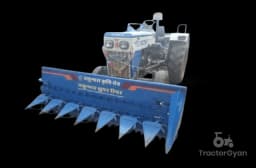
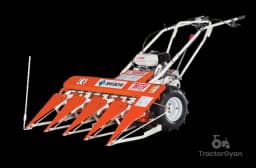
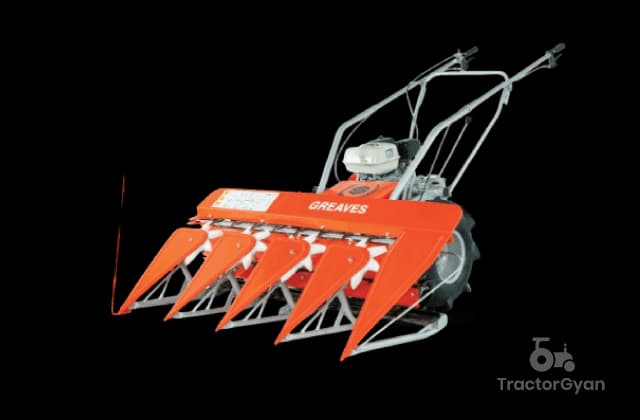
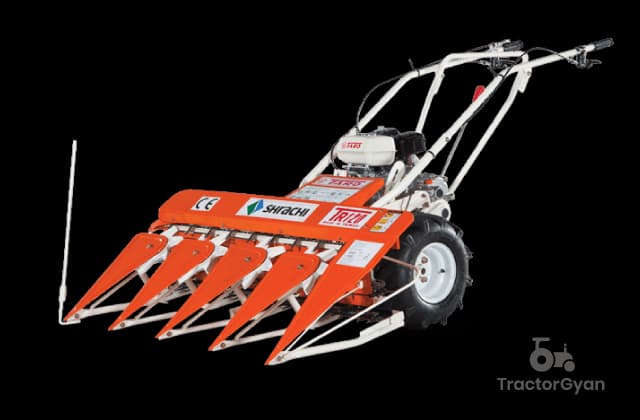
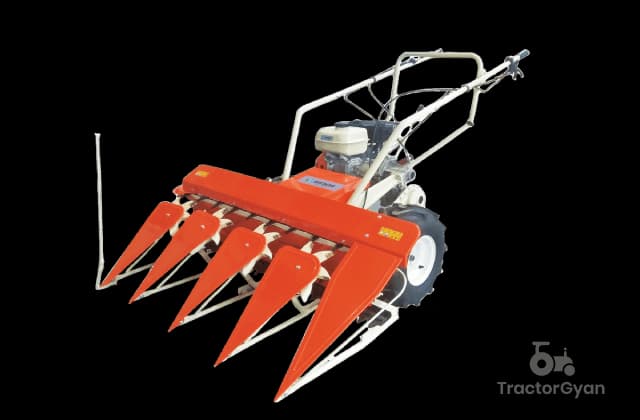
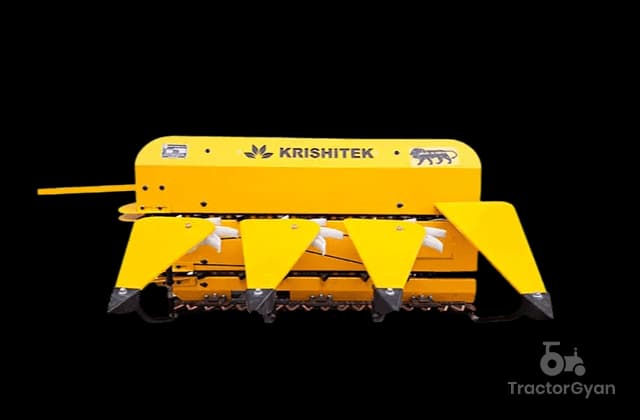
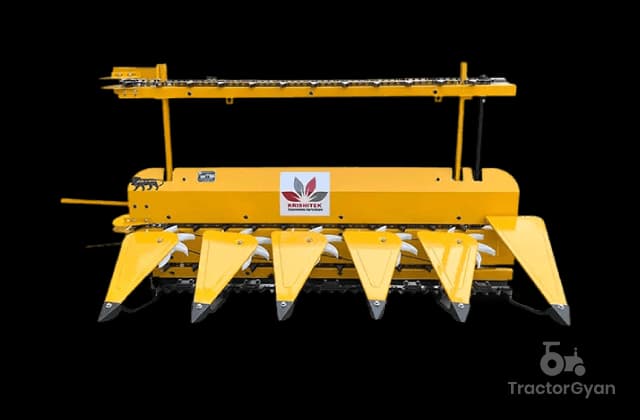
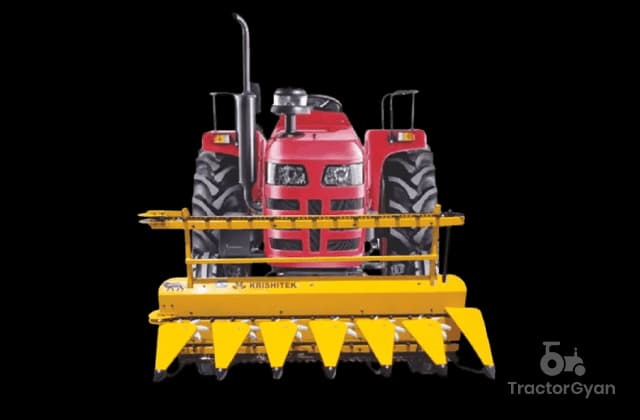
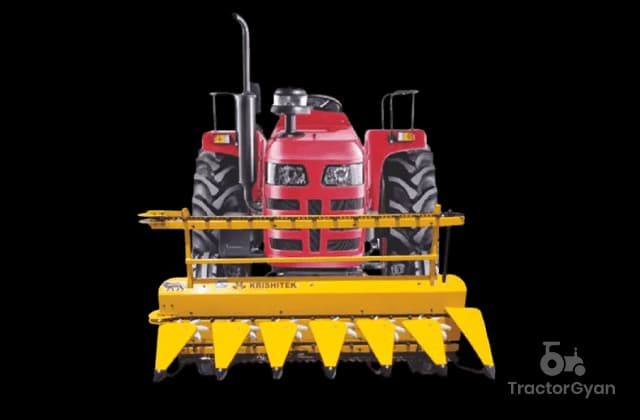
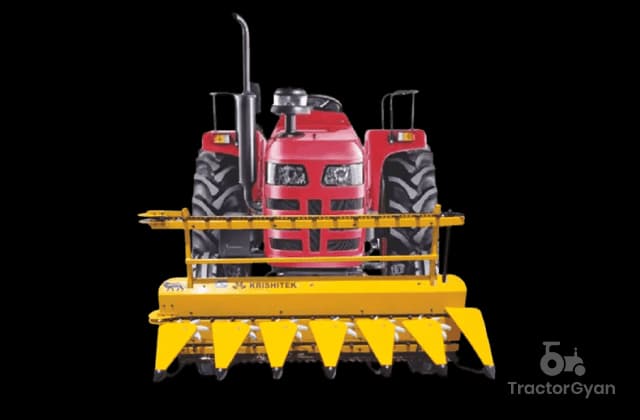
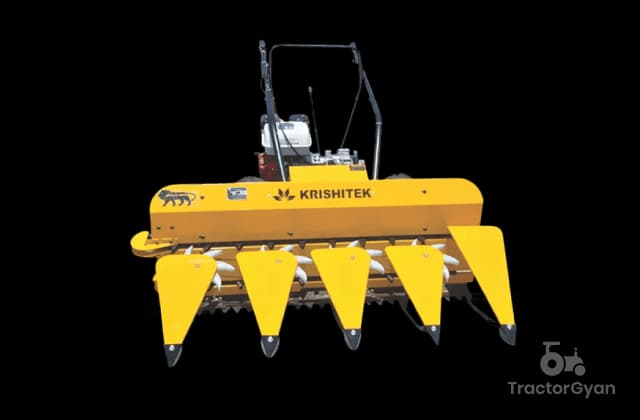
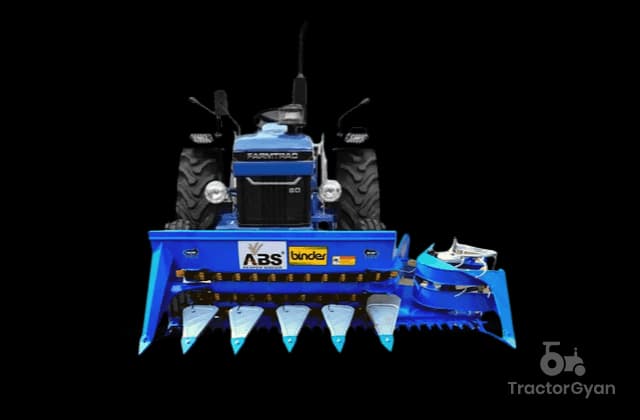
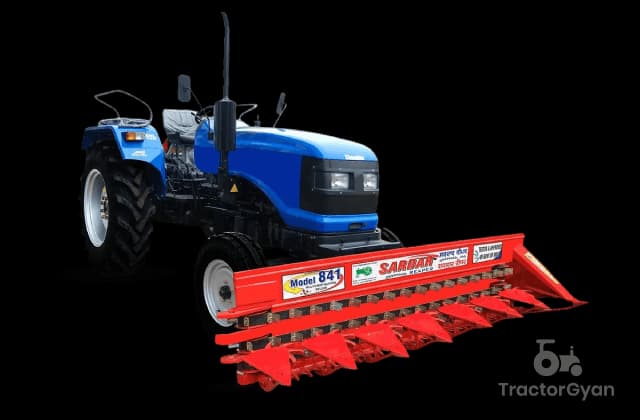
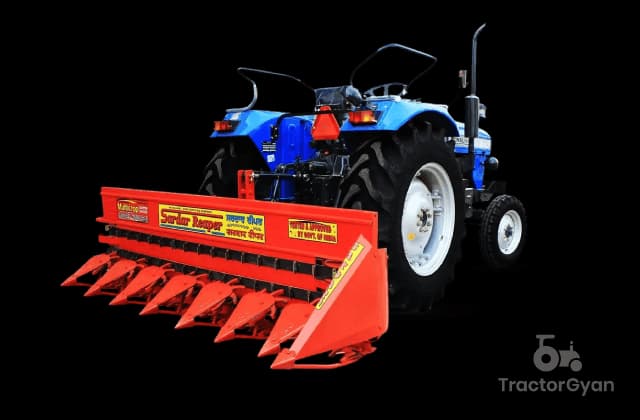
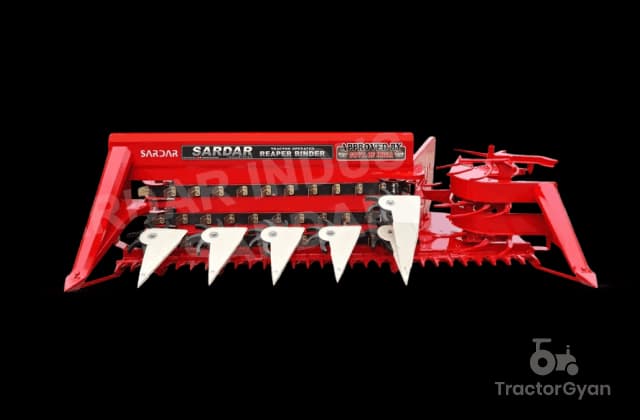
A reaper is a harvesting implement used to cut mature crops such as wheat, paddy, barley, and other cereals efficiently. It works by cutting crops close to the ground and laying them in rows for easy collection. Reapers are available in different types, including tractor-mounted, self-propelled, and reaper binders, making them suitable for farms of different sizes.
The price of reaper machines is ₹50,000* to ₹3.61 lakh* in India. Popular reaper models include the Greaves Cotton GX 160, Shrachi SPR 1200, Krishitek Reaptek 3, and others. This implement helps farmers save time, reduce labour costs, and improve harvesting efficiency.












Popular Implements
Inquire About Reaper Implement Price


Implement By Category
Reaper Implement News & Updates

Straw Reaper vs Reaper Binder: Features, Uses & Benefits Compared
When harvest season hits, maximising the value of your field while saving time is the ultimate goal. If you are left with leftover stalks after a combine harvester runs through,…



Frequently Asked Questions About Implements Reaper
A reaper is an agricultural implement or machine used to cut crops like wheat, rice, and barley at harvest time. It helps harvest crops efficiently, reducing manual effort and time.
Reaper price range starts from Rs. 55,000* and goes up to Rs. 3,71,000* in India.
Different types of reapers are tractor-mounted reapers, self-propelled reapers, and reaper binders.
You can find all the reaper models and their information in India at Tractor Gyan.
Reaper benefits are saves time and labor, increases harvesting efficiency, reduces crop wastage, works in different field conditions, and offers uniform cutting.
The amount of reaper subsidy and process can change subsidy-wise. To know more about the reaper subsidy, you can visit the Tractor Gyan Subsidy page.
Some of the popular reaper models are Greaves Cotton GX 160, Shrachi SPR 1200, and Krishitek Reaptek.
30+ reaper models you can find at Tractor Gyan.
Some of the popular reaper brands are greaves, shrachi, krishitek and many more.
Choose a tractor-mounted reaper for large farms with a tractor, a self-propelled reaper for medium-sized farms or areas where tractors can’t reach, and a reaper binder if you need to cut and bind crops together.











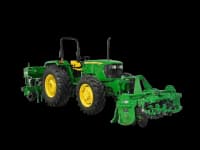

Overview of Reapers in India
Reaper helps harvest crops quickly, efficiently, and at a lower cost. Reapers are widely used for harvesting wheat, paddy, soybean, barley, oats, and various fodder crops.
What is a Reaper?
A reaper is an agricultural machine designed to cut standing crops near the ground and lay them in windrows for easy collection and further processing. Unlike a combine harvester, a reaper only performs the harvesting operation and does not thresh or clean the crop. Reapers are commonly used for:
- Wheat harvesting
- Paddy harvesting
- Barley harvesting
- Oat harvesting
- Soybean harvesting
- Fodder crop harvesting
These machines help farmers harvest crops at the right stage, reducing grain shattering and weather-related losses.
How Does a Reaper Work?
The working mechanism of a reaper is simple and efficient:
- As the machine moves forward, crop dividers guide standing crops toward the cutter bar.
- Sharp reciprocating blades cut the crop near ground level.
- Conveying mechanisms collect and align the cut crop.
- The harvested crop is laid uniformly on one side in windrows.
- The crop can then be collected manually or processed further using a thresher.
This organised harvesting method simplifies post-harvest handling and reduces crop losses.
Key Technical Specifications
| Specification | Importance |
|---|---|
| Cutting Width | Determines harvesting coverage per pass |
| Field Capacity | Indicates the area harvested per hour |
| Cutting Height | Influences stubble height and crop recovery |
| Drive Type | Tractor-operated or self-propelled |
| Weight | Affects manoeuvrability and transport |
| Fuel Consumption | Impacts operating costs |
| Crop Compatibility | Determines suitable crop types |
| Tractor HP Requirement | Ensures proper machine operation |
Benefits of the Reaper
- Faster Harvesting: A reaper can harvest crops much faster than manual labour, helping farmers complete harvesting within the optimum window.
- Reduced Labour Cost: The machine significantly lowers dependence on seasonal labour, especially during peak harvesting periods.
- Lower Harvesting Losses: Timely harvesting reduces grain shattering and losses caused by delayed harvesting.
- Improved Field Efficiency: Large areas can be harvested quickly, improving overall farm productivity.
- Suitable for Small and Medium Farms: Reapers offer an economical alternative to expensive combine harvesters.
- Fuel-Efficient Operation: Most tractor-mounted and self-propelled reapers consume relatively less fuel compared to larger harvesting machines.
- Better Crop Handling: The machine lays harvested crops in neat windrows, making collection and threshing easier.
Reaper Price in India 2026
The reaper price ranges from Rs. 50,000* to 3.61 lakh*, depending on its type, cutting width, capacity, features and brand.
Best 5 Reapers in India 2026
1. Greaves Cotton GX 160
Known for its robust construction, efficient harvesting, and easy maintenance.
2. Sardar Tractor Front Mounted Reaper
Offers reliable performance in a variety of harvesting applications.
3. Kisan Kraft KK-SPR-1205P
Popular among farmers for smooth operation and high field capacity.
4. Sardar Tractor Rear Mounted Reaper
Widely used for harvesting with organised windrow formation.
5. Krishitek Reaptek Ki-120
Suitable for all farm sizes requiring affordable harvesting solutions.
These reapers are preferred for their durability, availability of spare parts, and strong after-sales support.
Types of Reapers - Which One Suits You?
- Walk-Behind Reaper: Operated by walking behind the machine and guiding it through the field. It is best for small farms and narrow field conditions.
- Self-Propelled Reaper: Equipped with its own engine and does not require a tractor. These are best for medium-sized farms and independent harvesting operations.
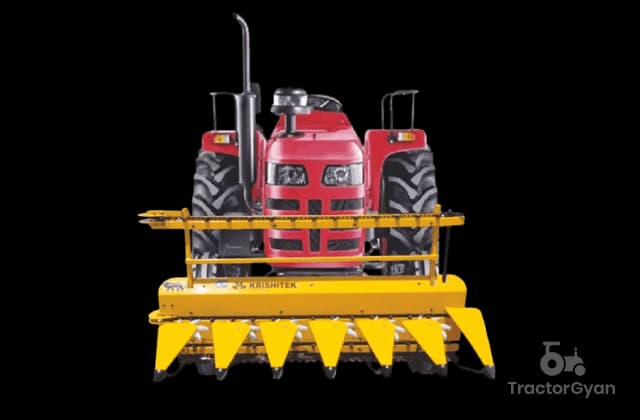
- Tractor-Mounted Reaper: Mounted on a tractor and powered through the PTO system. Best for farmers who already own tractors.
- Vertical Conveyor Reaper: Cuts and conveys crops vertically before laying them in organised windrows. It is best for wheat and paddy harvesting.
- Reaper Binder: Harvests and ties crop bundles simultaneously. These are best for farmers seeking faster post-harvest handling.
Reapers Buying Guide - Crop & Region Specific
Different regions and crops require different reaper configurations.
- Wheat-Growing Regions: Farmers in Punjab, Haryana, Rajasthan, Uttar Pradesh, and Madhya Pradesh often prefer vertical conveyor reapers for efficient wheat harvesting.
- Paddy-Growing Regions: In West Bengal, Odisha, Bihar, Chhattisgarh, Andhra Pradesh, and Tamil Nadu, paddy-specific reapers provide better harvesting performance.
- Soybean Regions: Farmers in Madhya Pradesh and Maharashtra typically use tractor-mounted reapers for soybean harvesting.
- Fodder Crop Areas: Reapers with adjustable cutting heights are preferred for fodder crop harvesting. Selecting a crop-specific reaper improves harvesting quality and machine efficiency.
Factors to Consider Before Buying a Reaper
Before purchasing a reaper, farmers should evaluate:
- Crop Type: Choose a machine designed for the crops grown on your farm.
- Farm Size: Larger farms require wider cutting widths and higher field capacity.
- Terrain Conditions: Field slope, moisture level, and soil conditions influence machine selection.
- Tractor Compatibility: For tractor-operated models, ensure adequate horsepower availability.
- Cutting Width: Wider cutting widths increase harvesting productivity.
- Maintenance Requirements: Machines with simple maintenance requirements reduce operating costs.
- Spare Parts Availability: Readily available spare parts ensure uninterrupted field operations.
- Brand Reputation: Established brands typically offer better service support and resale value.
Choosing the Right Reaper for Your Farm Size
Small Farms (Below 5 Acres)
- Walk-behind reapers
- Compact and affordable
- Easy operation in small fields
Medium Farms (5-20 Acres)
- Self-propelled or tractor-mounted reapers
- Balanced productivity and cost
Large Farms (20+ Acres)
- Vertical conveyor reapers
- High field capacity
- Faster harvesting operations
Tractor HP Requirements for Reapers
| Reaper Type | Recommended Tractor HP |
|---|---|
| Mini Reaper | 20-30 HP |
| Tractor-Mounted Reaper | 35-50 HP |
| Vertical Conveyor Reaper | 40-60 HP |
| Reaper Binder | 45-65 HP |
| Heavy-Duty Reaper | 60+ HP |
Always check manufacturer recommendations before purchasing.
Second-Hand Reaper Buying Guide
- A used reaper can be a cost-effective option if properly inspected.
- Inspect blades for wear, rust, or damage.
- Ensure smooth movement without excessive vibration.
- Avoid machines with major cracks or poor-quality repairs.
- Look for unusual noise or leakage during operation.
- Proper tyre condition improves field performance and transport safety.
- Conduct a field demonstration whenever possible.
- Choose machines with easily accessible replacement parts and service support.
Reapers have become an essential harvesting implement for Indian farmers seeking faster, cost-effective, and labour-saving crop harvesting solutions. Whether harvesting wheat, paddy, soybean, or fodder crops, choosing the right reaper based on farm size, crop type, and tractor compatibility can significantly improve harvesting efficiency. By comparing reaper prices, types, specifications, and maintenance requirements, farmers can make a smart investment that enhances productivity and profitability in 2026.